


Portfolios
Our Completed Of Experience
The AC isn’t cooling! might sound like a minor issue.
But for a tenant who actually has to live there, it can be a major problem that prevents them from using the rented property normally.
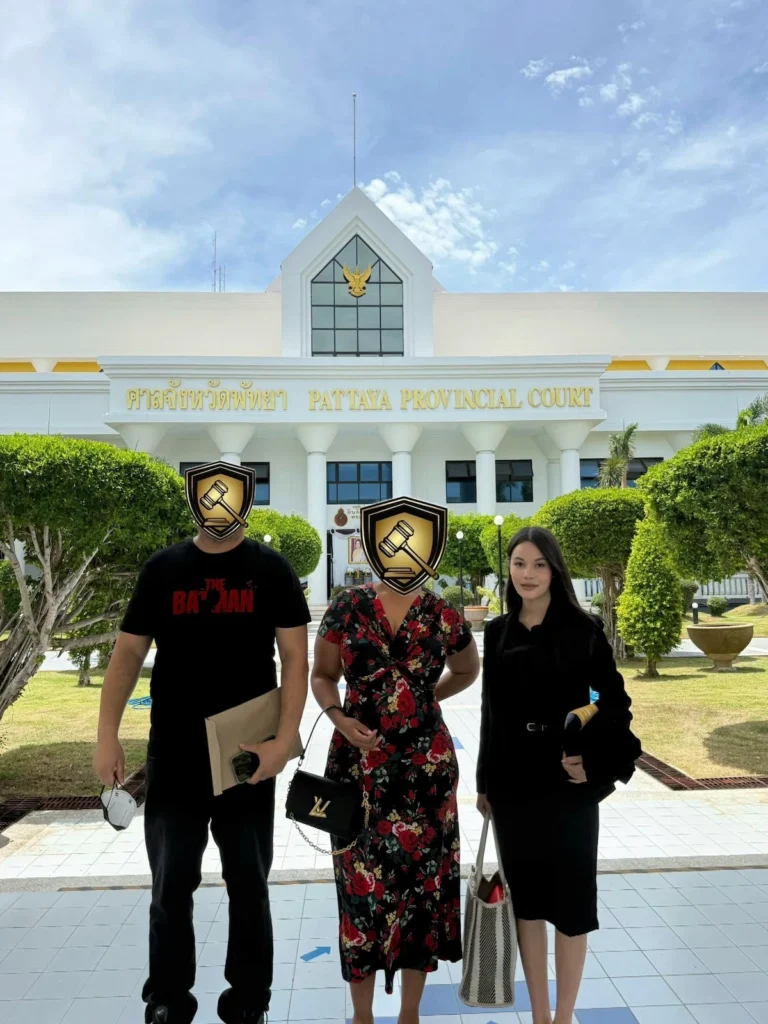
Today, I accompanied a client to court in a case exercising their right to terminate a lease agreement because the condition of the rented property was unfit for habitation. Despite notifying the other party to make repairs, the issue remained unresolved.
Sometimes, details that many people overlook can be a material essence of a contract. When a rented property is not in a condition that allows for normal use or habitation, it is a matter that simply cannot be ignored.
The rights of contracting parties do not exist merely to be written on paper; they exist to ensure that fairness is achieved in practice.

Monday afternoon, after finishing court proceedings, diving into a preparatory meeting for a case regarding the revocation of parental rights.
 Here is a legal fact that many people might not be aware of:
In cases where the father and mother are not legally married, even if the father is the biological father, he is not yet considered the legal father under the law. Therefore, before initiating any legal proceedings concerning parental rights or custody, the father must first file a petition requesting the court to issue an order recognizing his legal paternity.
Laying down the correct legal strategy from the very beginning ensures that the proceedings run efficiently and that the rights of all parties are appropriately protected.

Tackling two cases this morning:

- A tort case claiming damages from an agency.
- A criminal drug case, where the defendant pleaded guilty as charged, awaiting the verdict this afternoon.
Every case comes with its own details and responsibilities. We fulfill our duties to the fullest at every step of the process.

A single post can lead to a criminal case! Are you sure you are “expressing an opinion” and not committing “defamation”?
Today, our office accompanied a client to file a police report with an investigating officer after an individual posted a message on Facebook containing false allegations, insults, and public dissemination of information that damaged our client’s reputation and credibility.
Many people mistakenly believe that:
- “I can write whatever I want on my personal Facebook.”
- “It’s the truth, so it’s not a crime.”
- “I only shared it; I wasn’t the original poster.”
But in reality, posting a message that causes another person to lose their reputation, be insulted, or be hated by society may constitute the offense of defamation by publication under the Criminal Code, which carries penalties of both imprisonment and fines.
Importantly, the court will consider the “content” and the resulting “impact,” not merely the poster’s claim that they were just venting their emotions or expressing a personal opinion.
Before posting, you should ask yourself 3 questions:
- Does the message contain verifiable facts?
- Is there supporting evidence?
- If the situation were about us, would we accept it if someone posted the exact same thing?
In an era where a single post can be shared thousands of times within a few hours, taking just a few seconds to click ‘post’ can lead to a legal ordeal that takes several years to resolve.
Freedom of expression is a right, but it must be exercised within the boundaries of the law and with responsibility toward others.